 St Peter's Pool
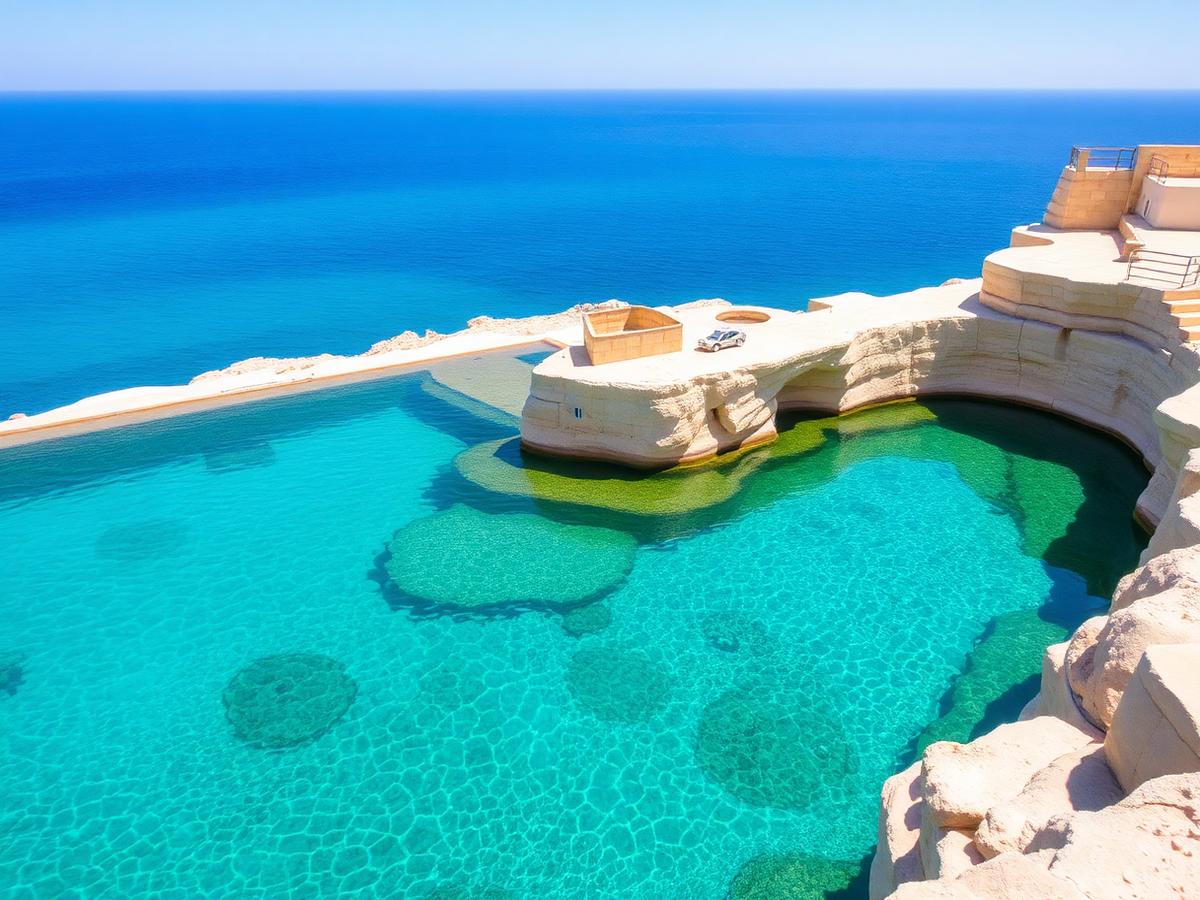
A natural limestone swimming pool twenty minutes along the coast — clear, deep water and flat rock to lie on.
25 min walk · or a short boat trip from the quay
The village
Its name means 'southern harbour' — marsa, a port, and xlokk, the hot sirocco wind that blows in from Africa.
800 BC
First Phoenician traders in the bay
1565
The Ottoman fleet anchors here
~3,000
People living around the harbour
#1
Largest fishing fleet in Malta
Origins
The Phoenicians traded here around 800 BC, and the remains of the temple of Juno once stood on the shoreline nearby. In 1565 the Ottoman fleet dropped anchor in this same bay at the start of the Great Siege of Malta, and in 1798 Napoleon's ships arrived on their way to Egypt.
In 1989 the harbour hosted the Malta Summit, when Bush and Gorbachev met aboard ships sheltering here from a storm and effectively declared the Cold War over — an odd footnote for a village of fishermen.
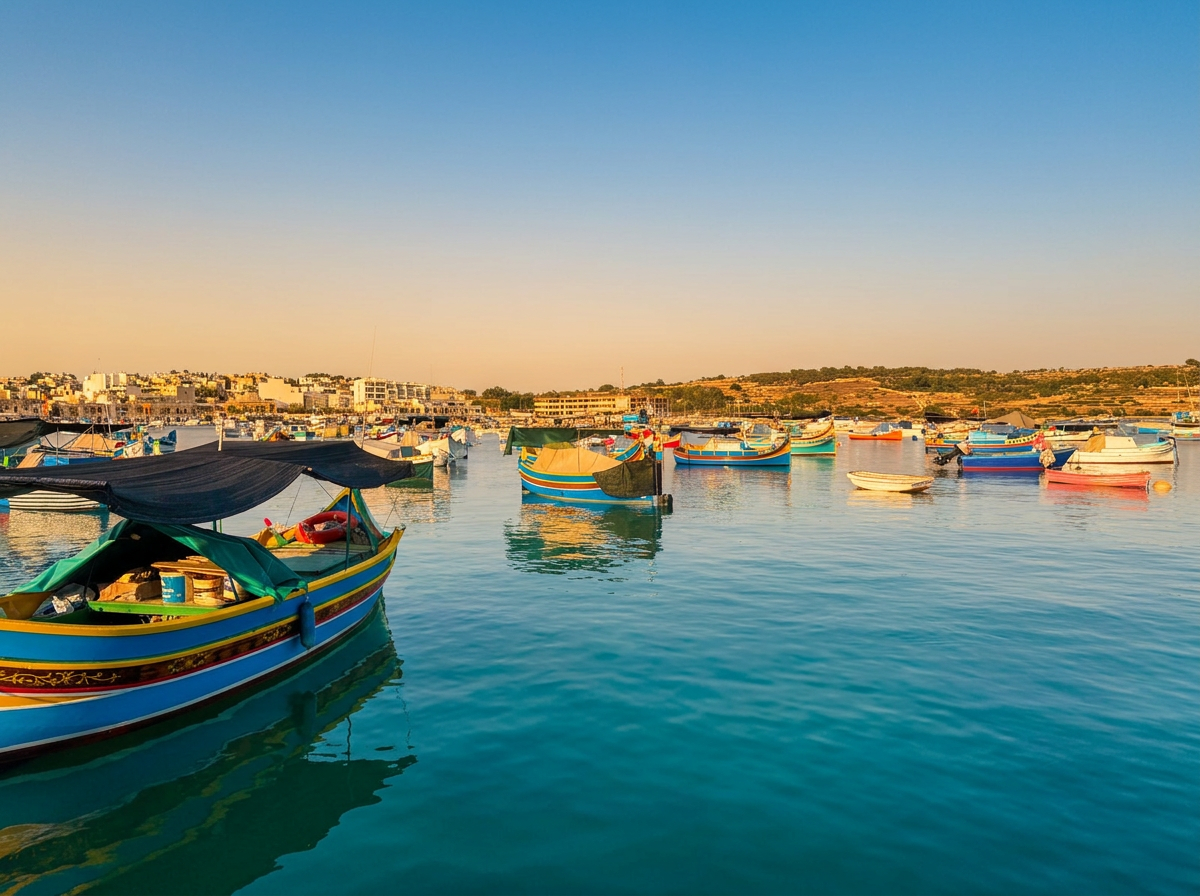
For most of its life, though, Marsaxlokk has simply been a village that fishes. Some 3,000 people live around the bay, and the fleet moored in front of you is still the largest in the Maltese islands.
The boats
The brightly painted wooden boats are luzzijiet — yellow, red, green and blue, each with a pair of eyes on the bow. They are the Eye of Osiris, inherited from the Phoenicians and painted on to watch over the crew and steer them home safely through bad weather.
Larger and sturdier than they look, they were once sailed and rowed; today they run on small engines but the shape and the colours have barely changed in a century. Each is repainted by hand every spring, usually by the family that fishes it.
The smaller, flatter boats alongside them are kajjikki, used for lampuki season, when palm-frond rafts are floated offshore to draw the fish into the nets.
Sunday
Every Sunday morning the promenade becomes Malta's most famous fish market. Boxes of lampuki, swordfish, tuna, prawns and octopus are sold straight off the boats from sunrise, alongside stalls of honey, tomatoes, capers, lace and Maltese nougat.
A smaller market runs every other day of the week, heavier on clothes and produce than on fish. For the real thing, be on the quay before nine.
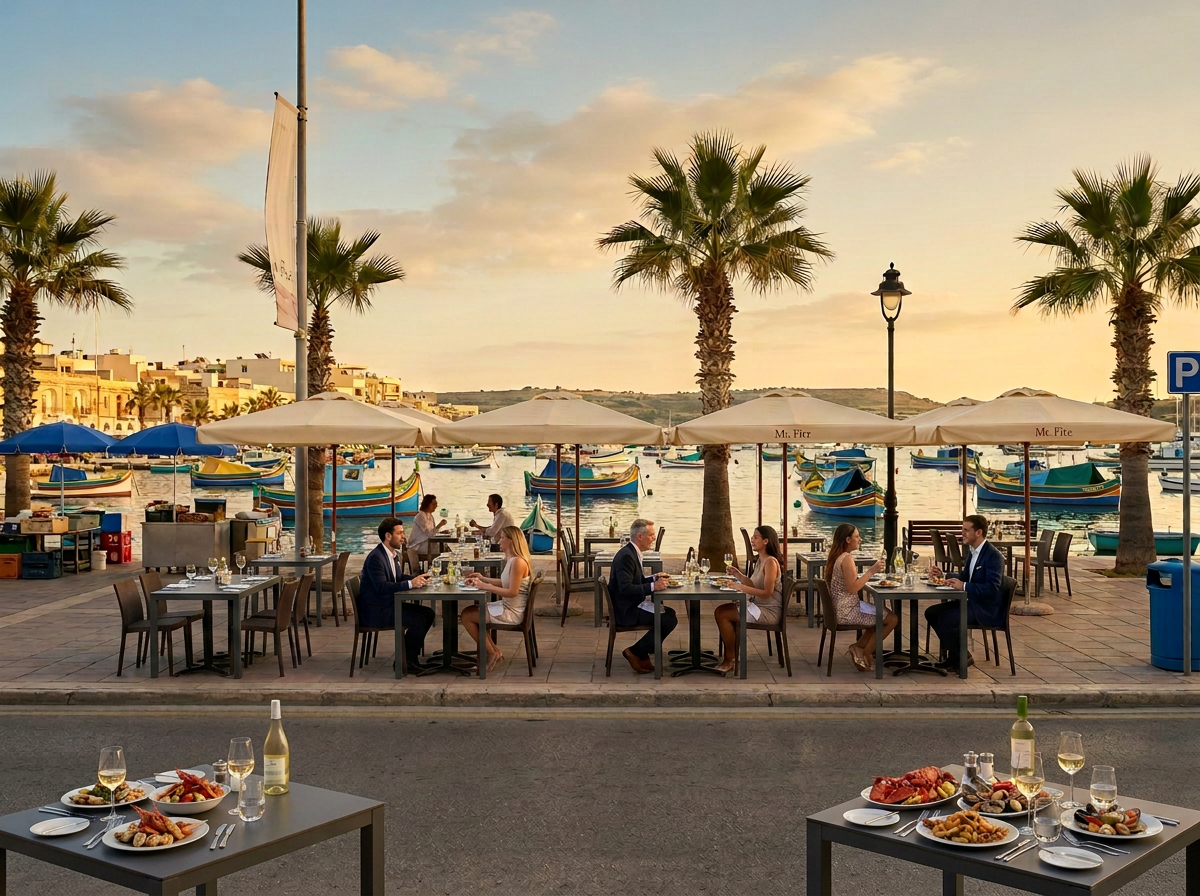
Come early, walk the length of the quay, then take a table with us and eat the same fish you just watched being weighed.
When to come
Mild mornings, wildflowers on the Delimara headland and the quietest tables of the year. Prawns and calamari are at their best.
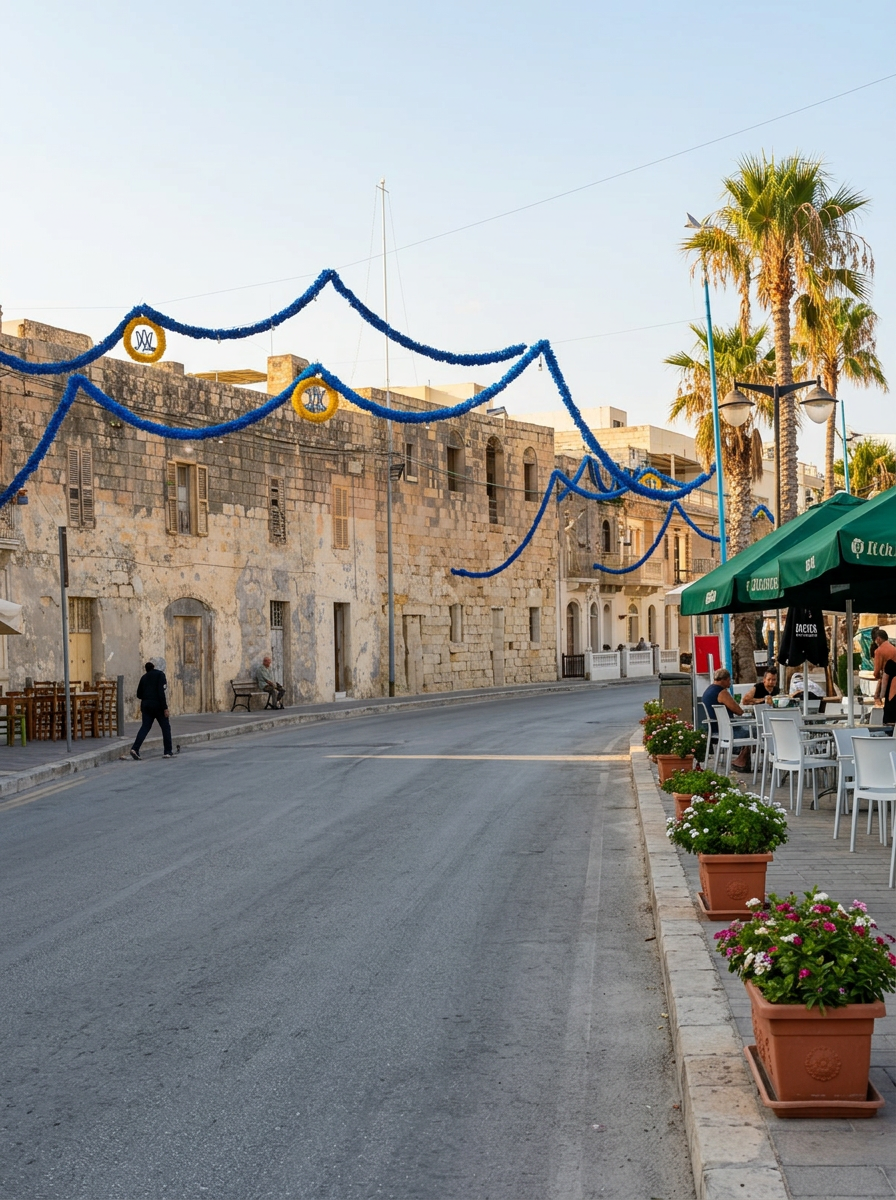
Long, hot evenings, swimming at St Peter's Pool and the July festa of Our Lady of Pompei filling the streets with lights.
Lampuki season. The whole village smells of grilled fish, and the sea is still warm enough to swim into November.
Storm-watching weather, hot fish soup, empty promenades and the sirocco wind the village is named after.
While you're here
St Peter's PoolA natural limestone swimming pool twenty minutes along the coast — clear, deep water and flat rock to lie on.
25 min walk · or a short boat trip from the quay
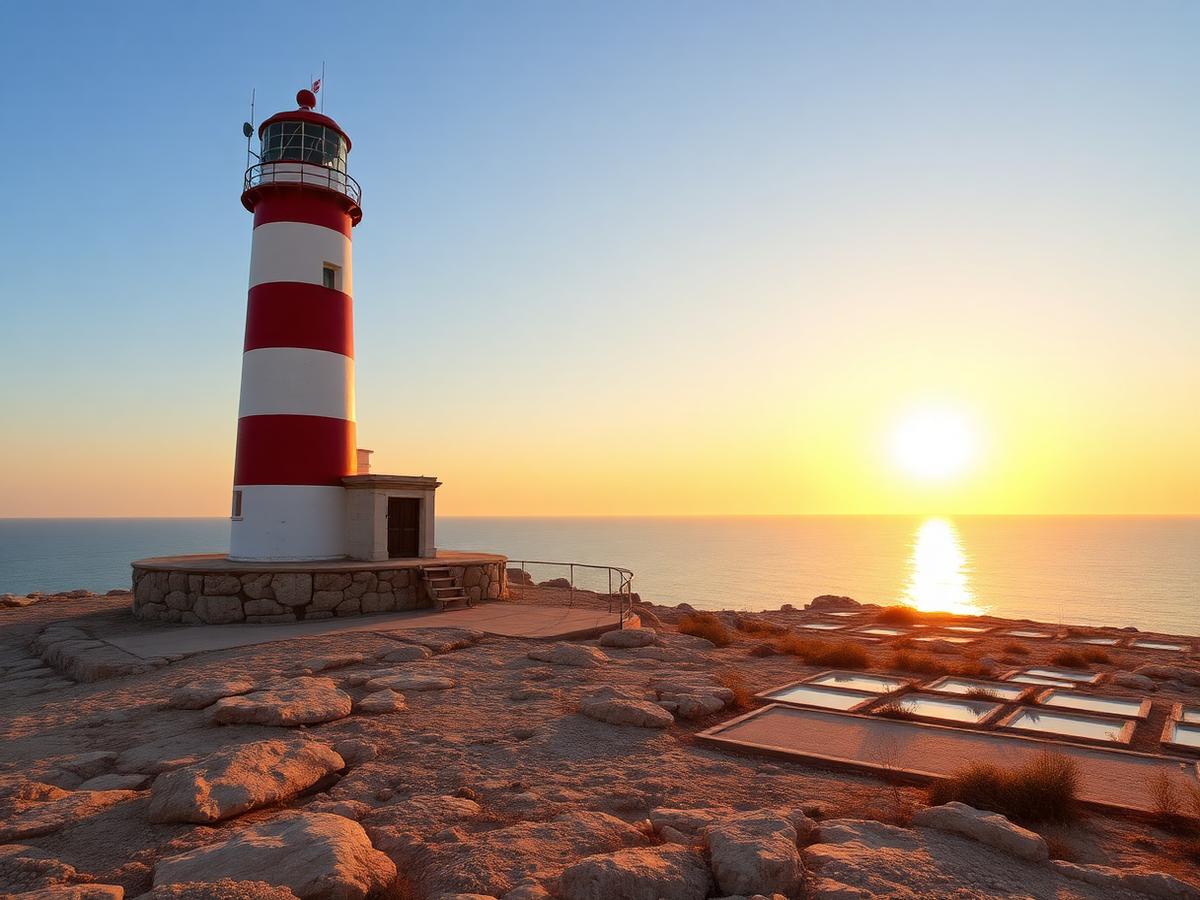 Delimara Point
A quiet headland of salt pans, a red-striped lighthouse and some of the best sunset views on the island.
40 min walk
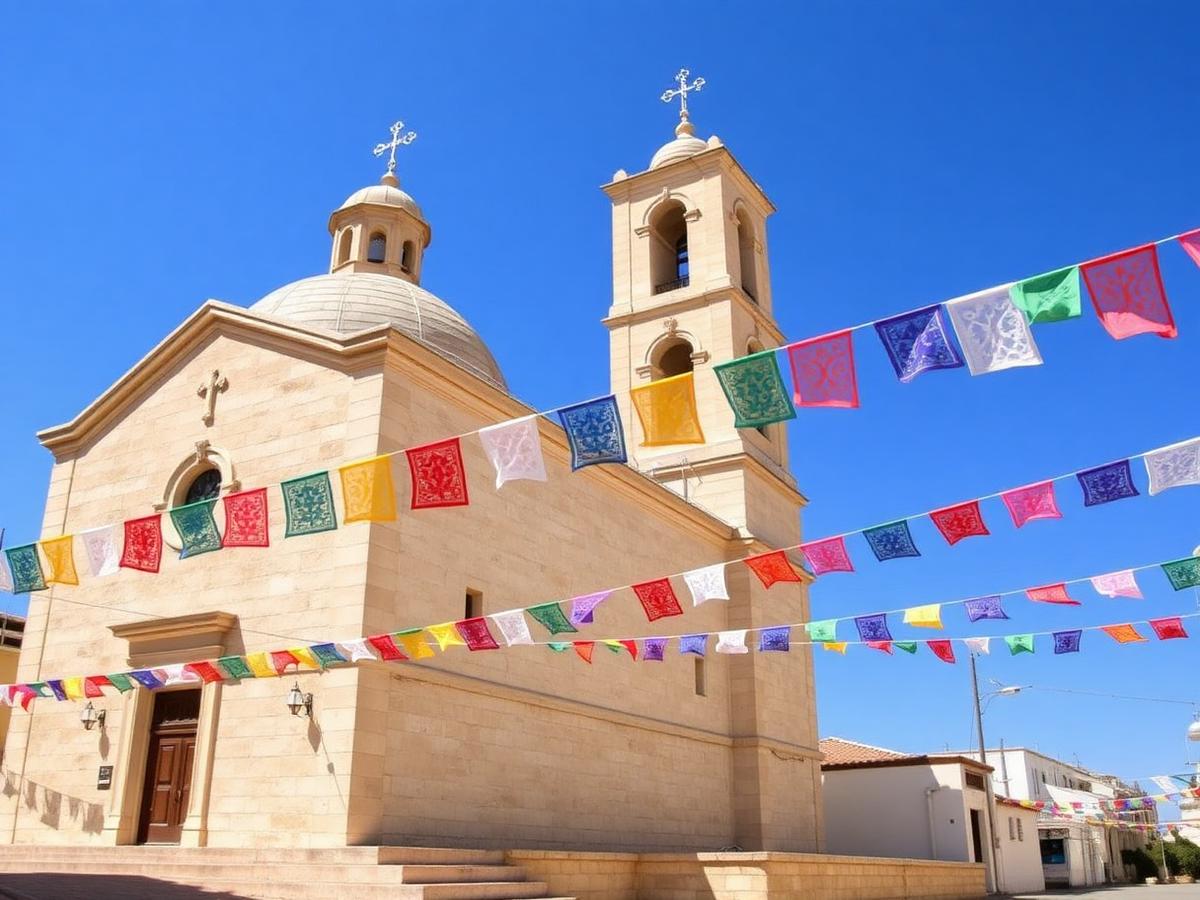 Our Lady of Pompei
The village parish church, whose July festa fills every street around the harbour with lights and bunting.
3 min walk
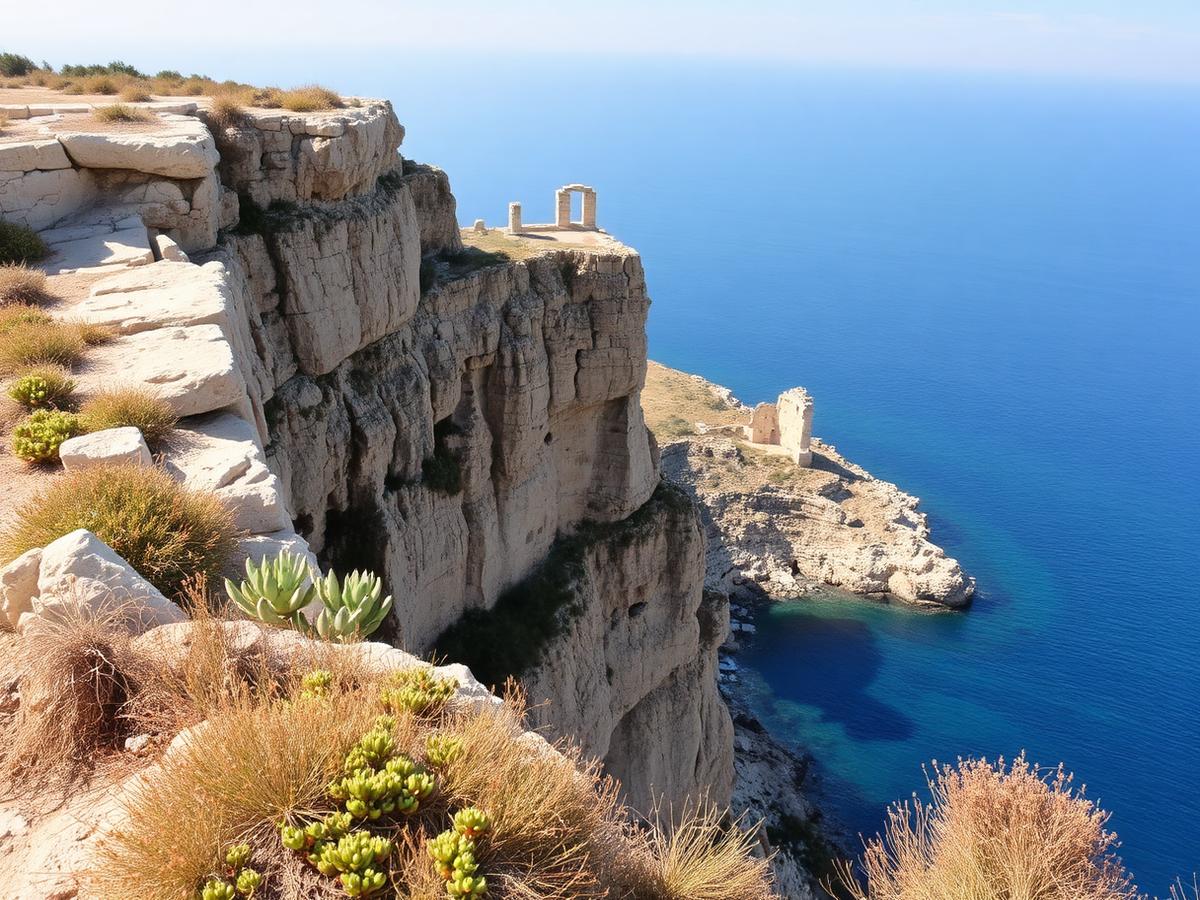 Xrobb l-Ghagin
Clifftop nature park with Neolithic temple remains and long views back across the bay to the fleet.
45 min walk
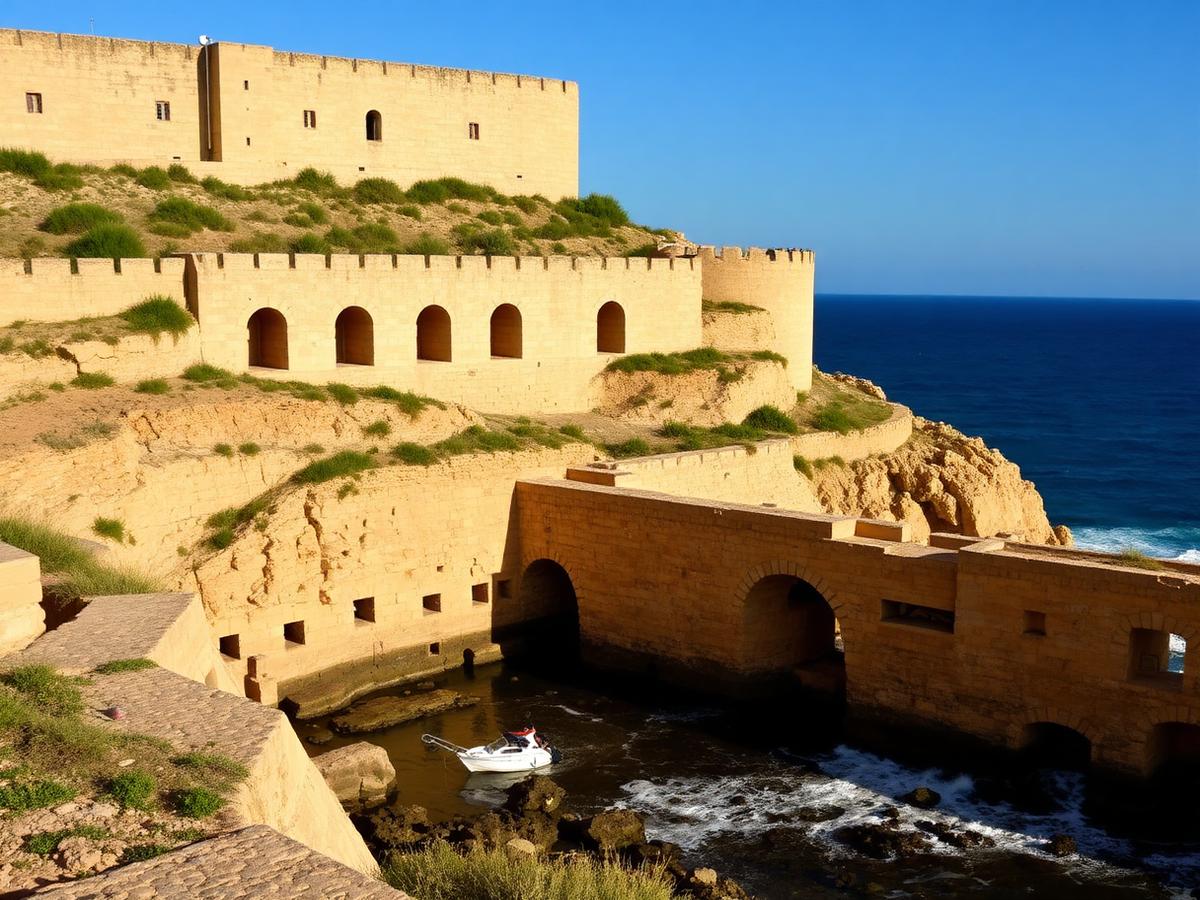 Fort Delimara
A Victorian British coastal battery hidden above the shoreline, built to guard the southern approach.
35 min walk
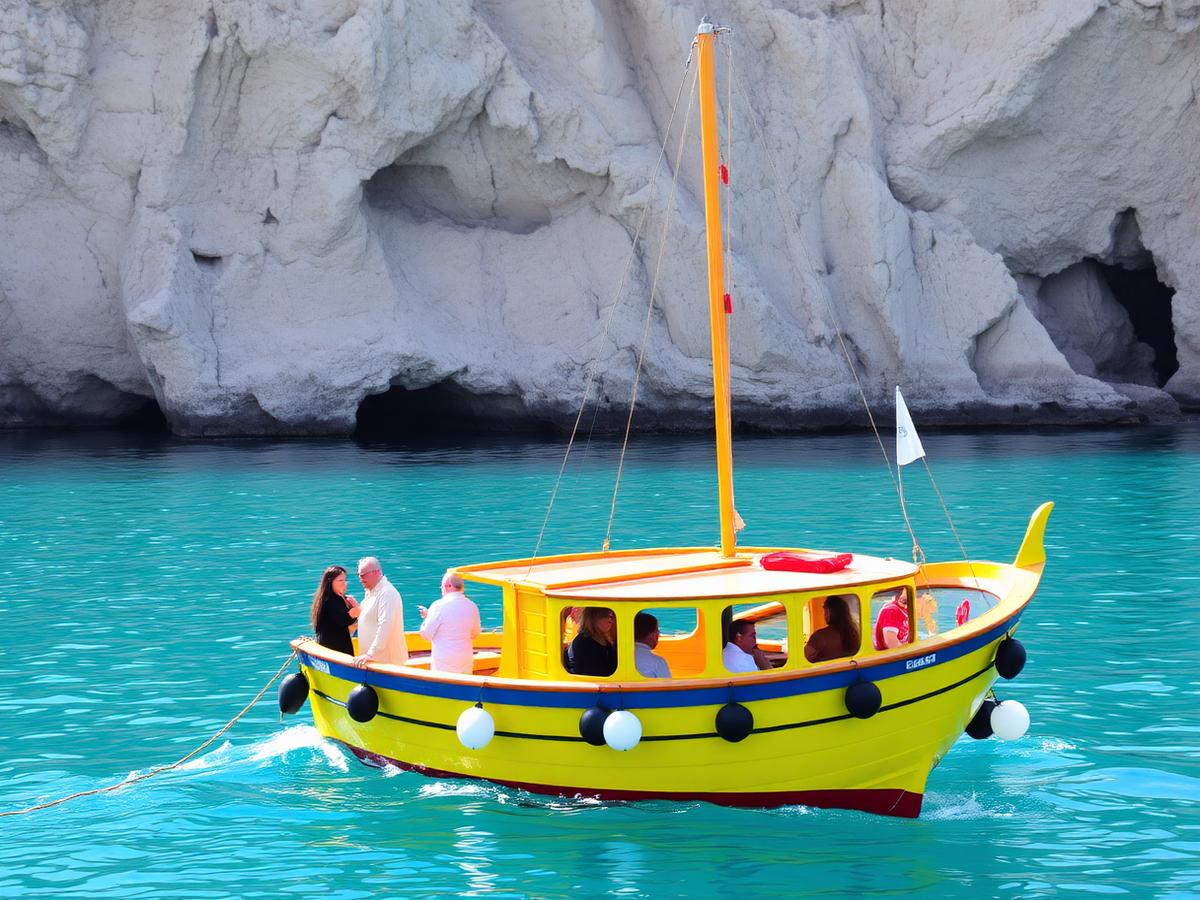 Boat trips from the quay
Fishermen run short trips around the bay and the caves from the promenade most mornings in summer.
From the quay opposite us
Getting here
By bus: routes 81, 85 and 119 run from Valletta and the south, stopping on the waterfront a two-minute walk from our door.
By car: around 25 minutes from Valletta and 20 from the airport, with free parking behind the church and along Triq is-Sajjieda.
On foot: the promenade runs the length of the bay — we are the limestone townhouse across the road from the moored luzzijiet.